
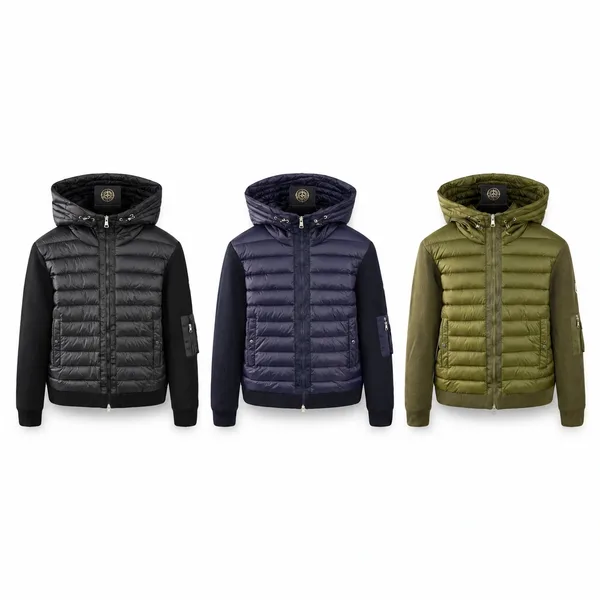
 Down Jackets
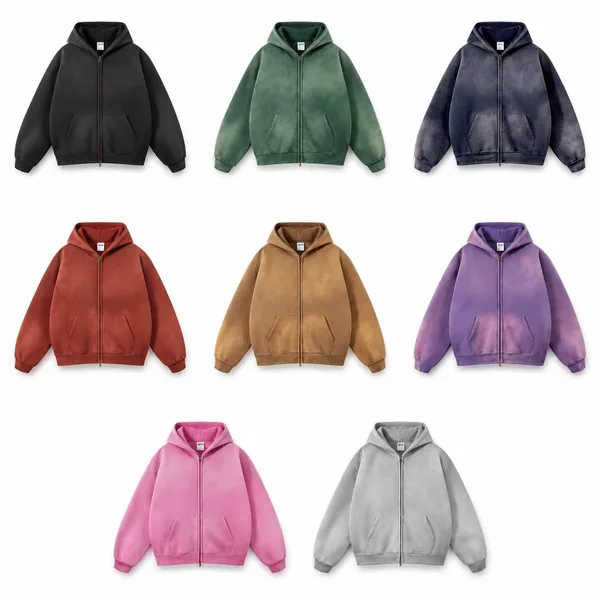 Jackets & Coats
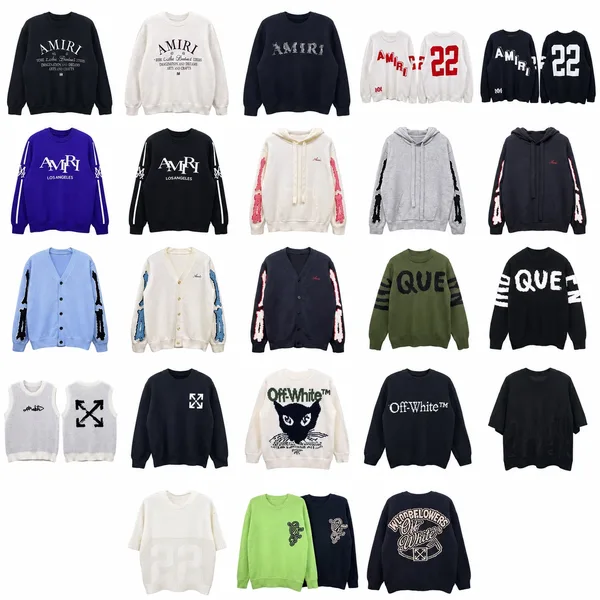 Sweaters
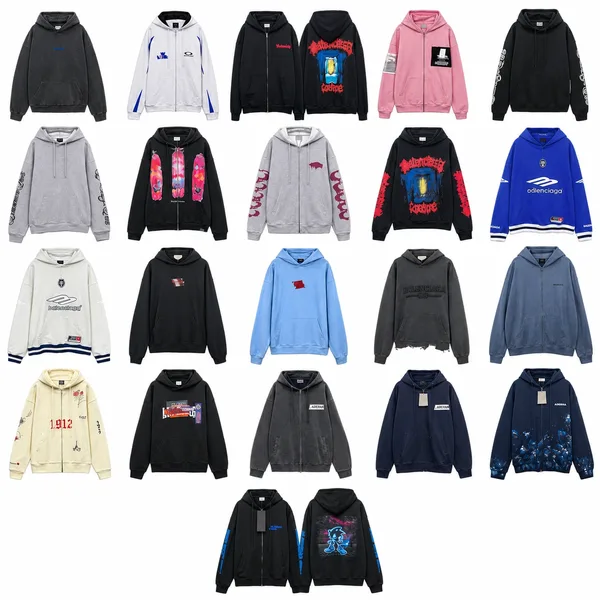 Hoodies & Sweatshirts
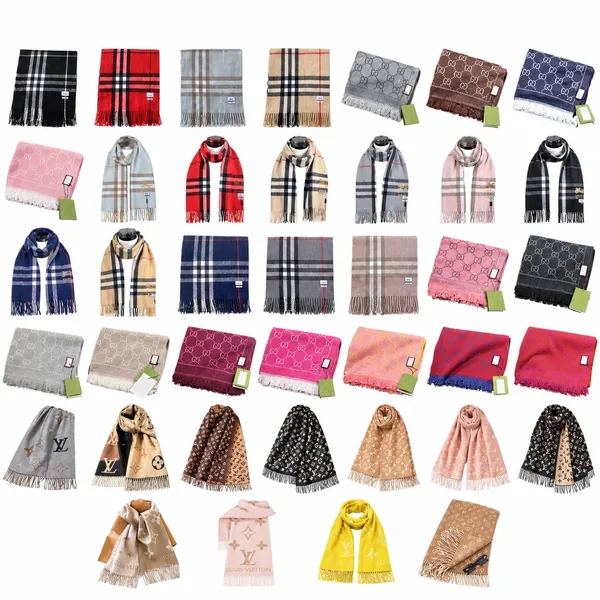 Scarves
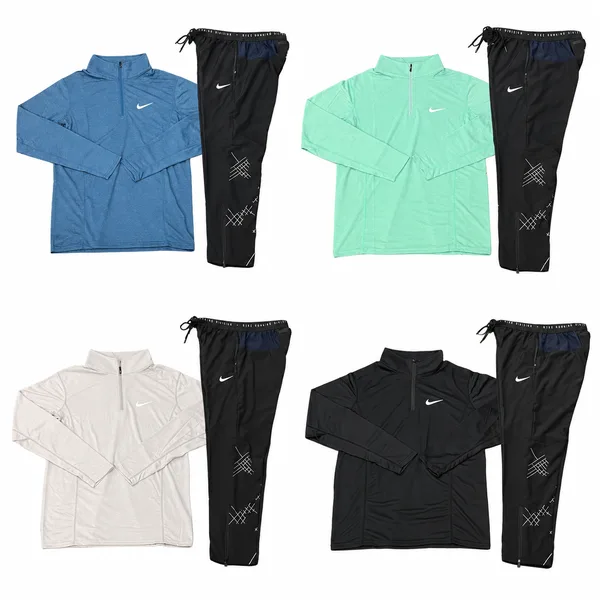 Sports Sets
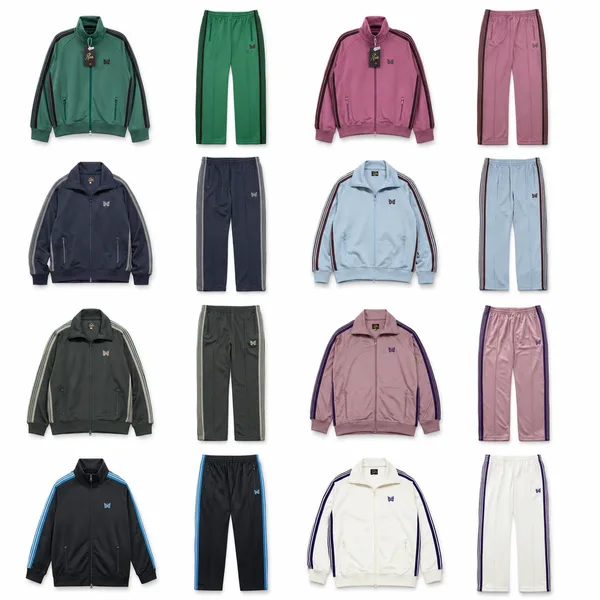 Casual Sets
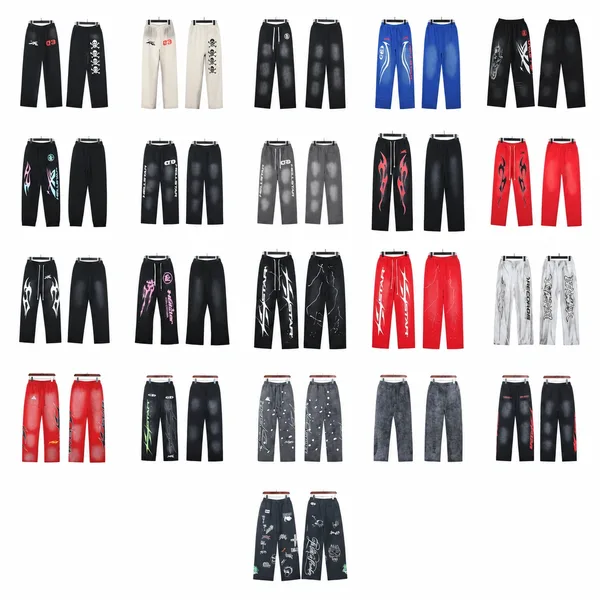 Joggers & Track Pants
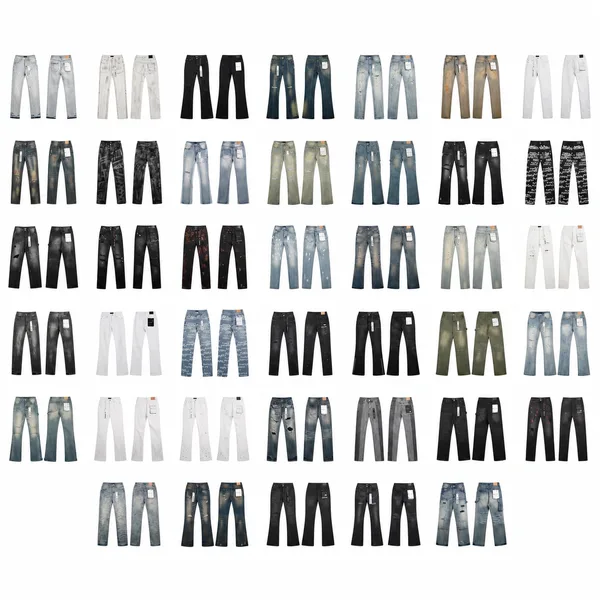 Jeans
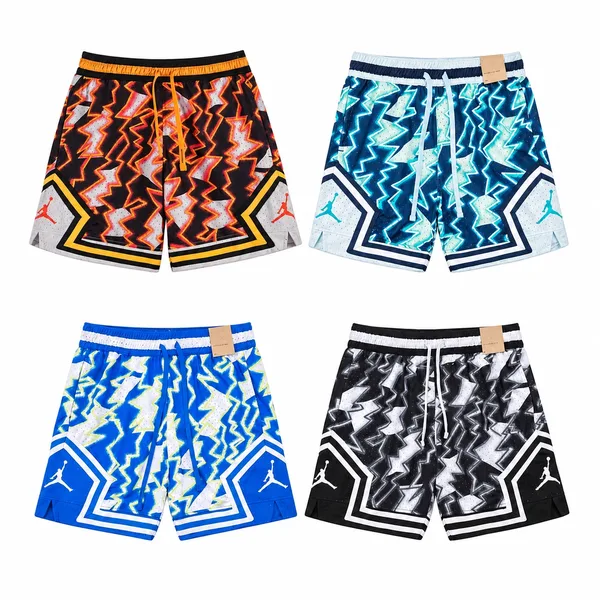 Jerseys
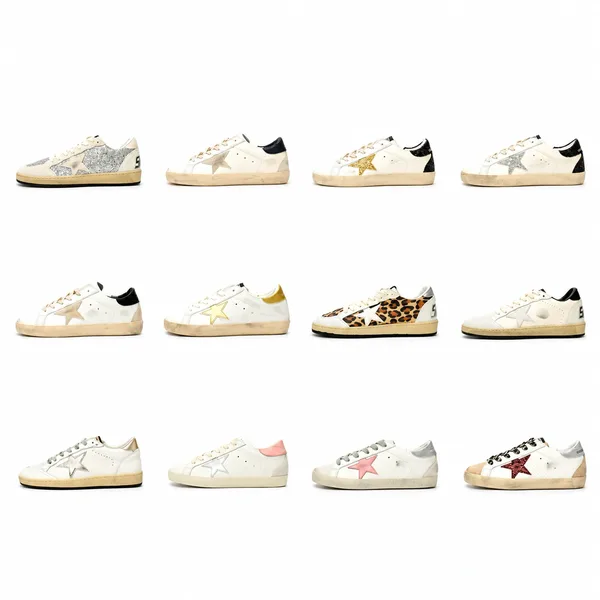 Shoes
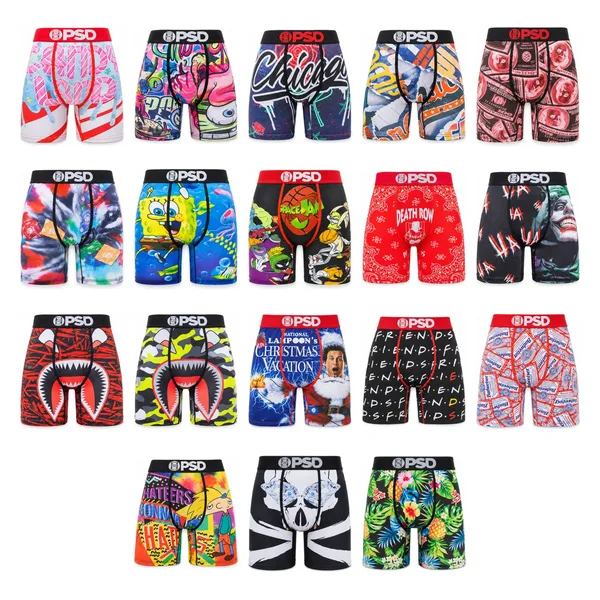 Underwear
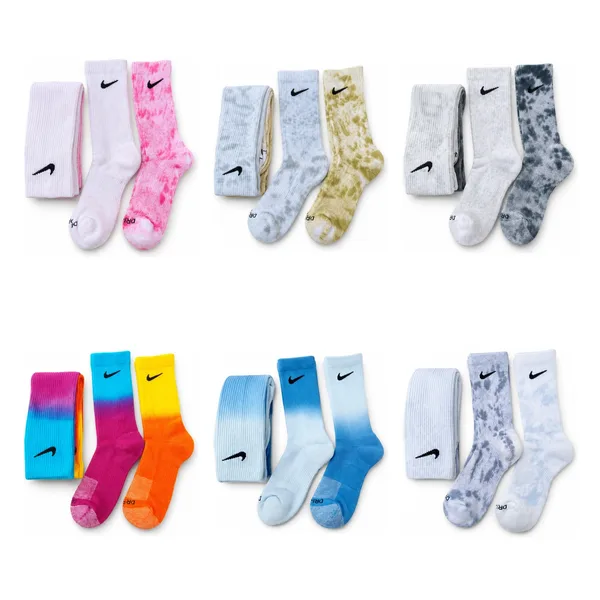 Socks
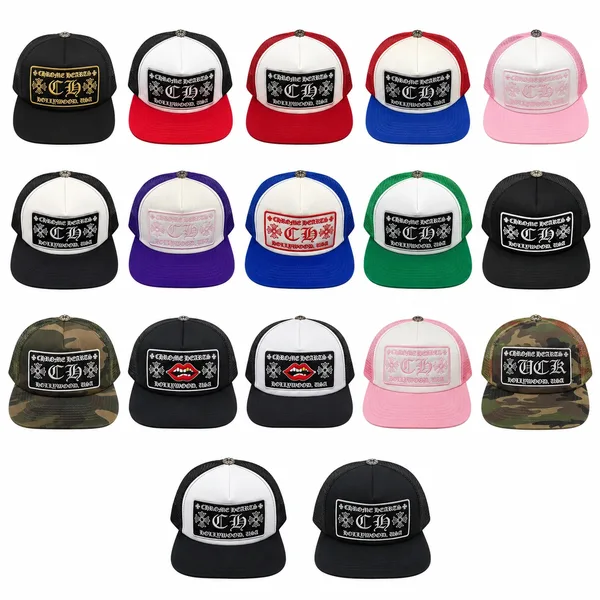 Hats
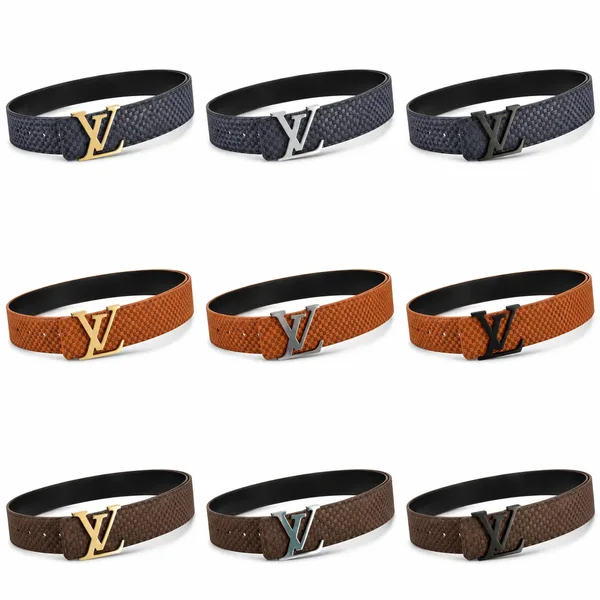 Belts
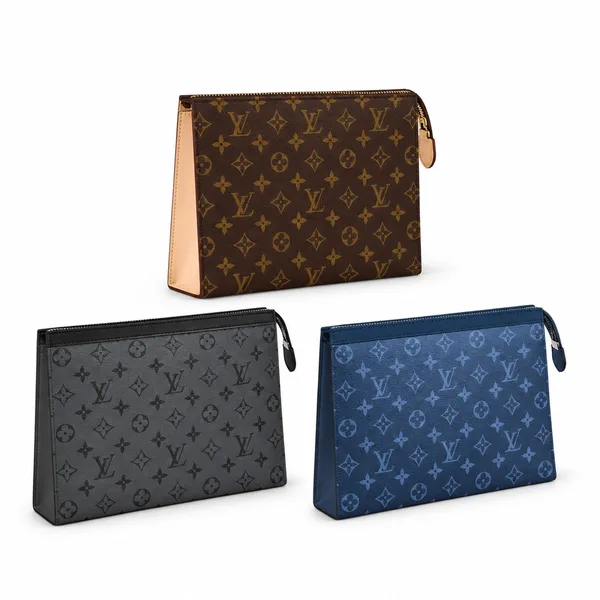 Bags & Wallets
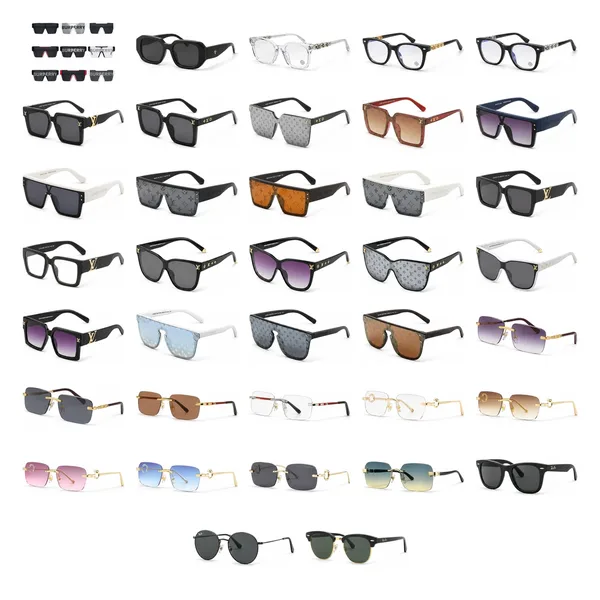 Eyewear
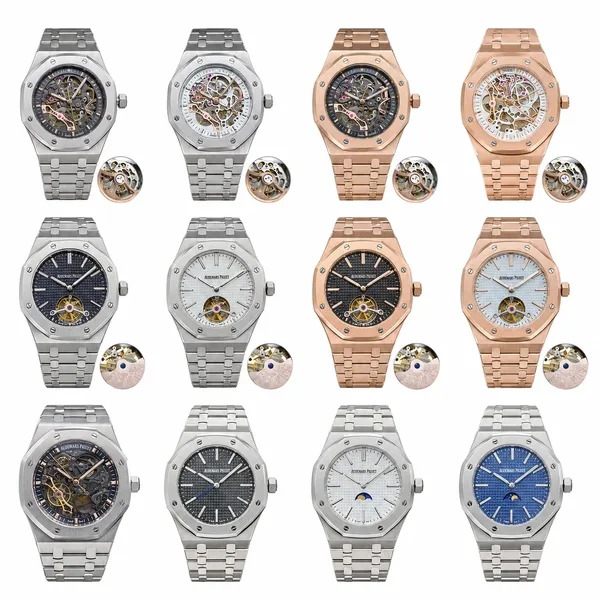 Watches
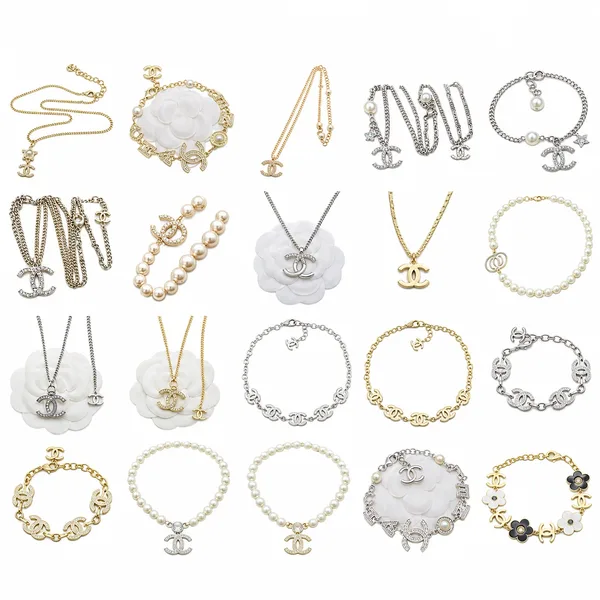 Jewelry
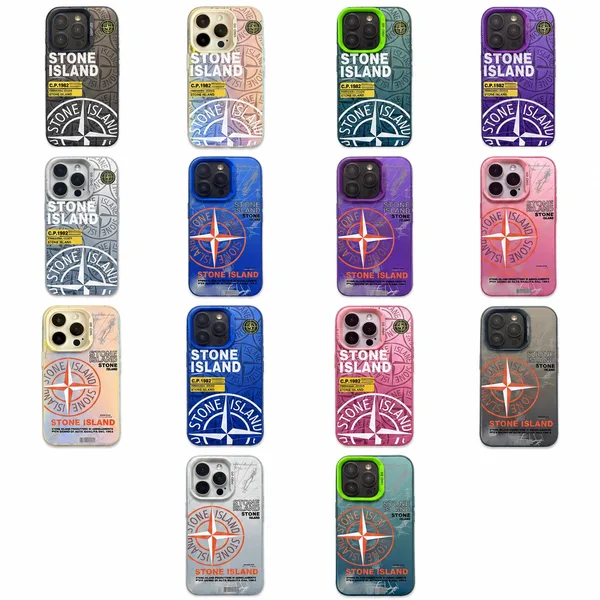 Electronics
From a saved find to the right purchase
An OopBuy spreadsheet is most useful when it helps you move from an interesting product to a choice you understand. Start with the item you need, compare the available information, and keep the selected size or variant attached to the link. A large list is not automatically a good shopping plan.
Use this page to organise that process. The product reference below is a starting point for comparison, not a claim that every option is currently available. A saved listing and an order are different things.
Start with the question you can answer today
If you are still looking for a style, browse by category. If you already have a product link, open it and check whether it reaches the item you intended. If you are choosing a size, move to measurements instead of collecting more pictures of the same design.
Keeping those questions separate makes a spreadsheet easier to use. You do not need to settle international shipping before you know what you are buying, but you should leave room in your budget for costs beyond the item price.
For the complete sequence, use the OopBuy spreadsheet guide. To compare collections before choosing one, read best OopBuy spreadsheet. Those decisions overlap, but a collection's convenient layout does not prove the quality of every product it contains.
Browse by what the item needs to do
A category should narrow your comparison, not decide the purchase for you. Choose the feature that matters before opening dozens of candidates.
- Shoes: identify the model and size system before comparing colourways.
- T-shirts: compare the cut and dimensions with a garment you already wear.
- Hoodies and sweaters: consider room for layering as well as body length.
- Trousers and shorts: check waist, rise and inseam together.
- Jackets: separate visible construction from any claimed weather performance.
- Sets: review the top and bottom independently rather than assuming both fit the same way.
- Accessories: confirm dimensions and included pieces, not just the object shown in a styled photograph.
- Headwear: compare the shape and adjustment information for the selected cap or beanie.
- Jerseys: keep the shirt version, size and any printing together.
- Underwear: distinguish the cut, measuring method and confirmed pack contents.
- Other finds: narrow a broad search to the specific product you intend to compare.
These article links help you compare. For a broader shopping selection, browse tops on OopBuy. The category name is a browsing aid; inspect the individual listing for the option you actually want.
Compare several OopBuy spreadsheets without counting the same find twice
If you browse several collections, compare what they add to the decision rather than their row totals. One may organise products by clothing type, another may group them into outfits, and a third may preserve older finds. Those arrangements can all be useful without representing three different sets of independently checked products.
For an illustrative comparison, imagine two collections linking to the same shirt. The first records a particular option and a dated measurement chart. The second contains more photographs but does not identify which option they show. Keep the useful chart context and investigate the photographs; do not automatically merge everything into one supposedly verified product record.
When combining your notes, retain the source of each observation and its date privately. A destination check today does not update an older price or inspection automatically. If two rows describe genuinely different versions, preserve them as separate choices even when their thumbnails look alike.
Use the finds guide to build the shortlist and the 2026 update guide to revisit older rows. The archive guide explains how to keep useful history without presenting it as current availability.
Give each saved row a clear identity
A useful row records the destination, product description, selected option and the next question. Keep a listing image distinct from warehouse photos and from pictures shared by other shoppers. They may depict related items without documenting the same order.
Avoid shortening every description to a brand name. Two products from the same search may differ in cut, material description, quantities or available sizes. Likewise, a single product may appear in several collections. Repetition does not mean several independent buyers have recommended it.
The spreadsheet links guide explains how to check destinations and preserve a find when a link changes. Keep the original information until you understand what a replacement link points to; do not transfer an old review to a different product automatically.
A compact row for your own OopBuy sheet
If you keep a personal shopping sheet, use fields that preserve the decision rather than filling every cell with a general rating. The following is a blank structure you can adapt.
| Field | What to record |
|---|---|
| Item and destination | The exact product link and enough description to distinguish it from similar finds. |
| Selected option | Colour, version, size notation and quantity, as applicable. |
| Price observation | Currency, amount, what it includes and the date observed. |
| Fit or specification | The relevant measurement or feature and which product information supports it. |
| Photo context | Whether it is a listing image, your item's QC or another person's purchase image. |
| Next decision | The specific question to resolve before buying or moving to the next stage. |
Do not use zero to mean a cost you have not yet established, or a check mark to mean an item merely looks appealing. Those shortcuts can make a partial comparison look complete when you revisit it later. Keep private account and order information out of a publicly shared copy.
Sorting a sheet can help you group comparable items, but it does not make unlike price observations equivalent. A single-item price and a multipack starting price still need their own option and quantity checks after sorting.
Work through one candidate before adding ten more
Consider this graphic T-shirt on OopBuy. Suppose the design interests you, but the important question is whether the selected size would have the length you want. Opening another collection with the same photograph does not answer that question.
Instead, compare the listing's measurements with a familiar shirt, confirm that the measurements apply to your chosen option, and record what remains unclear. If the information does not settle your choice, ask a precise question before proceeding. Do not turn an uncertain measurement into a confident size recommendation.
If you later change the size, update the saved row. A note saying “choose the larger one” is less useful than recording the actual option. This matters when you return several days later or compare products with different sizing labels.
This is a hypothetical decision sequence. The size guide develops the comparison method further.
Keep the budget in separate parts
Distinguish the product amount from any domestic delivery, international transport and optional services. A spreadsheet cell showing one item price is not a final parcel total. If you save an amount, also save its currency, selected quantity and date.
For example, a hypothetical 30-unit item and a 4-unit domestic charge already represent 34 units before any international transport is known. Do not label that 34 as delivered cost. Nor should you add an unrelated shipping example just to produce a reassuring total.
Use the shipping calculator guide when you have the destination and package inputs needed for a meaningful comparison. The shipping guide explains why a route example belongs to its stated conditions rather than every reader's order.
Review the product again when better information arrives
An attractive listing is a reason to investigate, not a completed inspection. When photos associated with your item become available, compare them with the selected option and the question you were trying to resolve.
The QC photos guide helps distinguish visible details from things photographs cannot establish. A clear photo can show an incorrect colour or a visible mark; it cannot promise durability or your experience of fit during wear.
If the item differs from your intended selection, address that issue before planning it as part of a finished outfit. Keep any seller or support response with the item so it is not lost among unrelated finds.
Read reviews for the part of the journey they describe
A review written after browsing a spreadsheet is different from a review after receiving a parcel. Look for what the writer actually did, when it happened and whether it concerns the same product or service question you have.
The OopBuy spreadsheet review guide explains how to compare those experiences. The OopBuy spreadsheet safety guide addresses checks and limits without treating a familiar logo, a large collection or a positive post as a guarantee.
Keep your own notes equally precise. “Photo received” is not “item quality confirmed,” and “shipping selected” is not “parcel delivered.” Accurate notes make the next decision easier even when the answer is to wait for clarification or choose something else.
Frequently asked questions
What makes a spreadsheet useful for a first purchase?
Clear destinations, identifiable options and information that helps you compare a real candidate. The number of rows matters less than whether you can follow the item you chose through the next decision.
Are all prices in a collection final purchase prices?
Do not assume so. Check the current selected option, currency and quantity, and separate the product amount from additional charges and transport.
Can I use another shopper's QC photos for my own item?
You can use them to decide which details to ask about. They do not inspect your selected item or establish its condition.
Should I choose the largest OopBuy spreadsheet?
Only if it helps you make useful comparisons. A smaller, understandable shortlist can be easier to maintain than a large collection containing repeated or unclear destinations.
Does this page place an order for me?
No. Article links explain the decisions, and OopBuy links open shopping references. Follow the actual platform workflow and review the selected product and costs before authorising a purchase.
Use a small comparison with meaningful differences
Compare a manageable group of candidates that could meet the same need. For a T-shirt, useful differences might be body length, chest width, neckline and graphic placement. For a bag, opening size and strap range may matter more. The fields should follow the purchase, not a universal checklist pasted onto every product.
As an illustrative shortlist, imagine three shirts. One has a graphic you prefer but lacks the measurement you need; another provides a useful size chart but has a longer body than you want; the third looks similar to the first and leads to the same listing. You do not have three equally ready choices. Clarify the first, decide whether the second's length is acceptable and remove the duplicate unless it represents a genuinely different option.
This is a hypothetical comparison. Its purpose is to show why collecting more rows does not always add a better choice.
Distinguish listing information from purchase evidence
A listing describes an offer. Item-specific QC can show visible details of a particular item. A delivered account can report what arrived, and a later update can discuss experience over time. Keep those stages separate when interpreting a find.
The QC guide explains visible inspection, while the haul guide helps interpret grouped purchase reports. Neither a warehouse image nor a completed delivery proves every hidden product characteristic.
If someone receives a benefit for sharing a link, account for that relationship when reading the recommendation. It does not automatically invalidate the item, but it should not be confused with an independent comparison of all available alternatives.
Compare total commitment without guessing the parcel bill
Keep the confirmed item amount separate from costs that depend on later choices. Do not allocate a stranger's haul shipping charge to your shortlist as if it were your quote. Your parcel contents, destination and selected route need their own calculation.
Use the shipping calculator guide when those inputs are available. If a coupon is part of your plan, check the coupon guide rather than counting an untested reduction as money already saved.
An item that only seems worthwhile under an unverified discount deserves another look before you commit. Do not add unwanted products merely to make a collection or parcel feel complete.
Make one next decision for each saved find
Keep, clarify or remove the candidate according to the information you have. A kept item should still carry its selected option; an unclear item should have a specific question rather than a vague label such as check later. Remove duplicates without discarding the history of genuinely different options.
When revisiting an older shortlist, refresh the destination and material details that influenced the choice. The archive guide explains how to preserve an old reference without presenting it as a current offer.
Find out what the update date refers to
A collection-wide date can describe an editorial update without proving that every row was revisited. Look for a clear distinction between when the collection changed, when a product link was checked and when a price or photograph was recorded.
If a row provides only one date, do not assume it covers all those checks. A recent layout change cannot refresh a months-old price observation. Equally, an older product is not automatically unsuitable simply because it was first saved before the current year.
Focus on the parts relevant to your next action: exact destination, selected option and the information used to choose it. Check those again before purchasing.
Refresh prices with their scope intact
Check what a saved amount covered: one selected item, a starting option, several pieces or a particular quantity. Compare like with like before deciding that a price has increased or decreased.
Keep the currency and observation date with the amount. Do not present a price saved earlier in 2026 as a current payable total without checking it. Later parcel charges and any optional services require their own review.
If a row mentions a promotion, use the coupon guide to check its actual conditions and result. Updating the year in a collection title does not renew an expired offer or prove that another buyer's discount applies to your account.
Keep old photographs useful without changing their meaning
An older photograph can show an earlier item's appearance. It cannot establish the condition of a different item selected now. Check the product, option and purchase stage before treating a picture as evidence for a row.
The QC guide helps distinguish visible inspection from broader product claims. A listing image, a warehouse photograph and a delivered-item photograph answer different questions even when they depict a similar design.
For updates after delivery, keep the chronology clear. A later wear report belongs to the item actually worn, not automatically to every current link with the same thumbnail.
Work through a changed row carefully
Imagine a saved shirt row lists a blue option, a particular size chart and a product photograph. On reopening the destination, you find a similar shirt, but the selected option names and chart are different. This is a hypothetical example, not a record of a specific listing change.
First establish whether the destination still describes the same product. Then choose the intended option and compare its actual dimensions with your reference garment. Keep the former chart in the historical record rather than using it to fill gaps in the current page.
If the new information does not answer your fit question, ask for that detail or compare another candidate. A row does not need to become a purchase merely because you saved it earlier.
For an individual candidate to investigate, open this graphic T-shirt on OopBuy. Review its current option information yourself; the link is not a promise that an earlier price, photograph or measurement remains valid.
Keep destination-specific information separate
A saved transport example belongs to its stated destination, route, package inputs and date. It does not become a current quote for another country because it appears in a 2026 collection. Use the shipping calculator guide to compare the actual parcel you intend to send.
Likewise, a translated version of a row should preserve the same product identity and the meaning of measurements. Translation alone does not verify local shipping availability or account-specific terms.
Does a 2026 title mean every link works now?
No. Open the particular destination you intend to use and check the selected product and option.
Should older finds be deleted?
Not simply because they are older. Keep useful history clearly separated from the information you are relying on for a current purchase.
Can I reuse the old size chart after replacing a link?
Only when you have established that it actually applies to the selected product and version. Do not transfer it based on visual similarity alone.
What should be checked immediately before ordering?
The exact item, option, quantity, current amount and applicable conditions. Follow the purchase guide once those details are clear.
Language sections
Read the Spanish collection for product comparisons, link checks, buying steps and ways to interpret reviews.
Use the German section, Austrian German section, Swedish section, Slovak section or Czech section when another language better fits the comparison context.
Use the same comparison task for each candidate collection
For an OopBuy best spreadsheet comparison, give each collection the same job. Start with the same product category, size question and intended quantity. If you browse one collection for an entire wardrobe but inspect another for a single shirt, the difference in apparent usefulness may come from the task rather than the collection.
Record the result in plain language: could you locate a relevant candidate, establish the option, follow its link and understand the measurement or price basis? Keep an unanswered question visible. Do not silently award a positive result because a field contains text when that text describes another option.
This can reveal different strengths without inventing a universal winner. One collection might make a suitable item easy to find while leaving its size context unclear; another might explain sizing better but offer few relevant candidates. Decide which gap matters for the purchase you are considering, and resolve it before proceeding.
Avoid mistaking presentation for maintenance
A current year in a heading, consistent thumbnails or a polished layout does not establish when each destination was checked. Equally, a plain table can still contain useful, clearly identified references. Test the information behind the design instead of letting the design stand in for the test.
When duplicate rows appear, inspect whether they are genuinely different options or repeated references. A list containing the same item several times has not necessarily expanded your choice. Preserve useful notes, but assess the number of relevant alternatives rather than relying on the displayed row count.
The archive guide helps distinguish older context from current candidates. Retaining a historical entry can be useful when its role is clear; presenting it as a newly checked offer answers a different question and needs current support.